

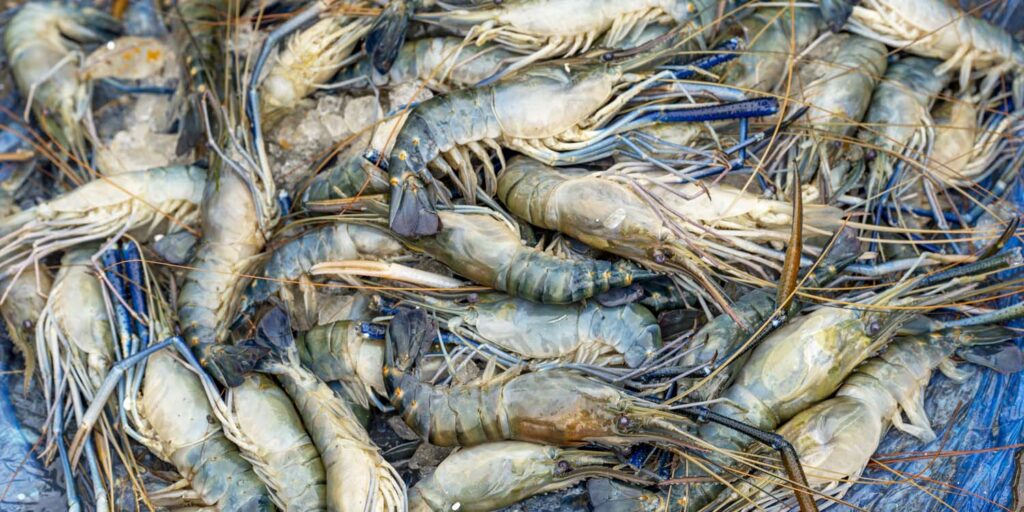
The viral phenomenon of shrimp surfacing in rivers in South Kalimantan has recently drawn public attention. In response, Prof Sri Nuryati, a professor of aquaculture at IPB University, provided a scientific explanation regarding the possible causes of this unusual phenomenon.
Prof Sri explained that shrimp are demersal aquatic organisms, meaning they naturally live and carry out their activities at the bottom of water bodies. When shrimp rise to the surface and even come ashore, this indicates a serious disturbance in their natural habitat at the bottom of the water.
“If no clinical signs of disease are found in these shrimp, then water quality factors become the primary suspect. Disturbances at the bottom of the water are usually related to critically low levels of dissolved oxygen,” said Prof Sri.
According to Prof Sri, oxygen crises at the bottom of the water are often triggered by high levels of organic matter. The decomposition of excessive organic matter requires a large amount of oxygen, thereby depleting oxygen availability for demersal organisms such as shrimp.
This explains why this phenomenon occurs specifically in shrimp, while pelagic fish (those living in the water column) may not be affected because they still receive sufficient oxygen in the upper water layers.
Furthermore, she emphasized the importance of verification through laboratory testing. Parameters that need to be examined include dissolved oxygen levels, total ammonia nitrogen (TAN), biological oxygen demand (BOD), and others in water samples taken directly from the bottom of the water body.
As a precautionary and follow up measure, Prof Siti recommended that relevant agencies in the region immediately conduct a comprehensive water quality assessment, covering physical, chemical, and biological parameters. In addition to water samples, an examination of the sediment or mud at the river bottom is also necessary to detect the presence of hazardous substances or the accumulation of specific pollutants.
“Prompt action based on scientific data is expected to reveal the exact cause of this phenomenon in order to maintain the stability of the aquatic ecosystem in the area and prevent broader environmental impacts,” she said. (dh) (IAAS/EPK)
